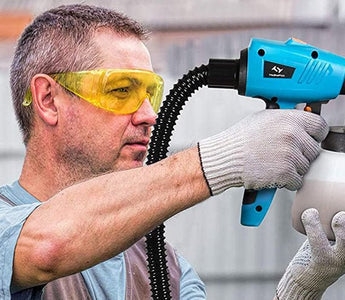
A paint sprayer can accomplish a paint project faster than the traditional roller or brush. So, if you know how to use a paint sprayer, it will make the spraying work easy, whether outdoors or indoors. You can paint a door or interior walls with a paint sprayer.
If you have a few questions about spraying as a process for painting cabinets, walls, and furniture. The guide will offer you some helpful tips for rookie sprayers and guide you on how to use the paint sprayer.
A paint sprayer is easy to use when you follow the right preparation and spraying techniques. The basic process includes preparing the surface, choosing the correct paint viscosity, adjusting spray settings, applying multiple thin coats, and cleaning the sprayer after use.
How to Choose a Paint Sprayer?
There are airless paint sprayers, HVLP paint sprayers, and pneumatic paint sprayers, three commonly used paint sprayers on the market. So which one do you need to choose?
Generally, professional painters who want to spray large surfaces but are not suited for precision projects prefer using the airless paint sprayer. This spray gun can deliver lots of paint quickly and works well.
The HVLP paint sprayer is an ideal tool for a beginner. They also can paint large surfaces rapidly and have better transfer efficiency than airless paint sprayers. But one item you need to consider is these don't work well with thick latex paints because they will create logs. You can use these paint sprayers on cabinets, furniture, walls, etc.
Pneumatic paint sprayers are used to apply paint for complex industrial projects like painting a car.
What You Need Before Using a Paint Sprayer
| Item | Purpose |
|---|---|
| Paint sprayer | Apply paint |
| Primer | Improve adhesion |
| Painter's tape | Protect areas |
| Drop cloth | Prevent overspray |
| Respirator | Safety |
Prep Before Using a Paint Sprayer
When you get the Tilswall paint sprayer and start painting, some essential items to be prepared will make your spraying process smoother and get the best outcome.
1. Protective Gear
You should better prepare gloves, a face mask, and goggles. And ensure the area is well-ventilated to avoid inhaling overspray.
2. Buckets
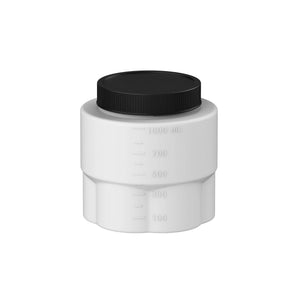
Prepare a 5-gallon bucket if you use the airless paint sprayer to paint; this will help you mix the paint so that you can clean the airless paint sprayer after you finish your sprayer projects.
3. Ladder
If you're going to spray paint a gun on the ceiling, I suggest you prepare a ladder so that you can reach the high areas, but you need to make sure you are safe when using your ladder.
4. Drop cloths or plastic sheeting
Before your spraying process, we highly propose you mask off the floors, doors, windows, and furniture with drop cloths or plastic sheeting. These are easy to buy at most paint stores and hardware shops.
Learn How to Use Your Paint Sprayer
After you've prepared everything, you are ready to paint or spray. But we propose you learn how to use your paint sprayer before you start painting your walls or cabinets.
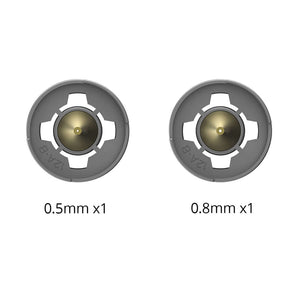
The Tilswall electric paint sprayer with an adjustable spray nozzle will make your painting easier. You can adjust vertical spray patterns and horizontal spray patterns. When selecting the vertical spray pattern, it will paint a tall, thin oval; changing to the horizontal spray pattern will paint a wide oval shape. To familiarize yourself with it, you can practice scrap materials like cardboard until you are comfortable spraying in two patterns.
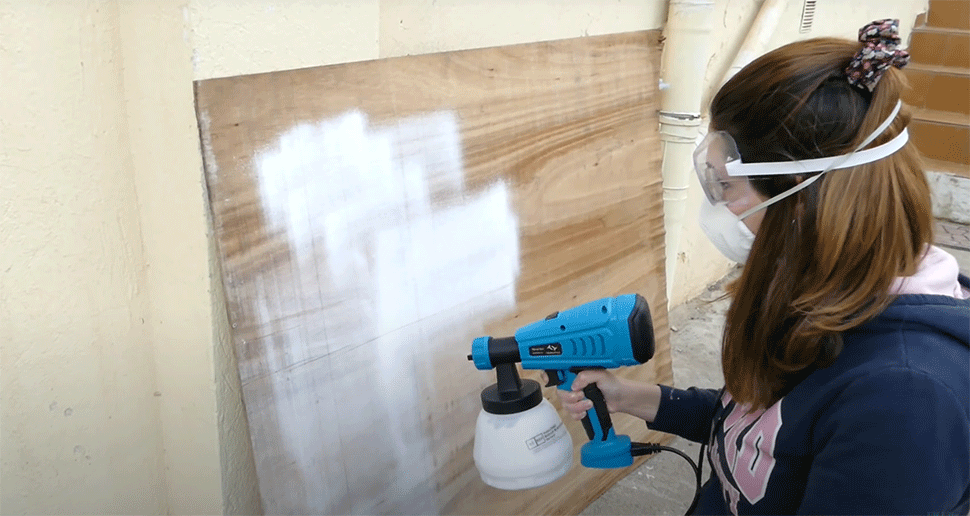
If you want to get consistent at spraying paint onto the surface quickly and get a uniform look applied outcome, then practice more to follow the below step:
1. While holding the paint sprayer up near a surface, even more paint gets used, and a narrower spray pattern is made.
Technique: holding the gun better to the surface to see that outcome.
2. Holding the sprayer gun farther away from a surface develops a thinner coat of paint as well as a broader spray pattern. Method doing that as well.
3. If you hold the sprayer too far away, the paint can dry out before it gets to the surface. If that occurs, you will need to respray the same surface and take much more time to finish the job, and your paint supply will be diminished much faster.
Use Your Paint Sprayer
After all the preparations have been finished, start your work now.
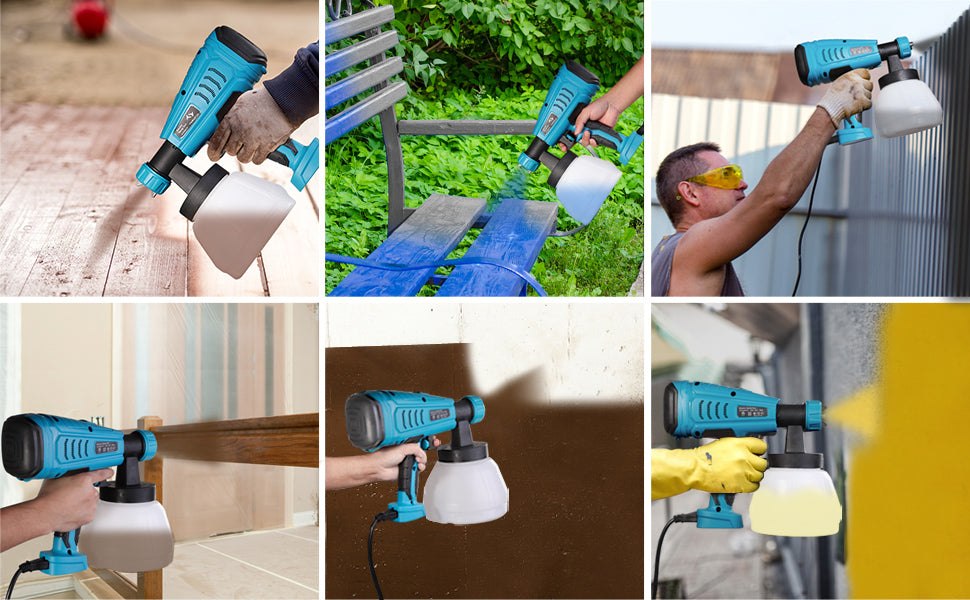
1. Control the spray patterns based on your needs, and choose a suitable nozzle for different paint types; then change the sprayer's force as needed to achieve a uniform surface without brush marks.
2. Spray directly toward the surface area, avoiding strongly tilted instructions.
3. Don't swing the arm backward and forward, and also instead move the arm meticulously to and fro to spray.
4. Tidy the whole spray painter thoroughly, adhering to the maker's guidelines as soon as your task is ended.
5. Avoid storing paint in your paint sprayer for too long.
Clean the paint sprayer.
After completing all spraying jobs or planning to spray tomorrow, take a bit of time to clean your paint sprayer. Otherwise, the dried paint will block the spray gun nozzle. You just throw the paint spray into a bucket of water and then clean it.
Painting with Tilswall Electric Paint Spray Step-by-Step
Recommended Tilswall Paint Sprayers for DIY Projects
| Project | Recommended Sprayer |
|---|---|
| Furniture | Tilswall Shark800 |
| Cabinets | HVLP Paint Sprayer |
| Creative Projects | Hornet Cordless Sprayer |
FAQ
Is a paint sprayer difficult to use for beginners?
A paint sprayer is beginner-friendly when you learn basic settings, prepare the surface properly and practice spraying technique.
Do I need to thin paint before using a paint sprayer?
Some paints require thinning depending on viscosity and sprayer specifications. Always check the manufacturer's recommendation.
Is HVLP better for DIY projects?
HVLP paint sprayers are popular for DIY projects because they provide controlled spraying with reduced overspray compared with some high-pressure systems.